Sidewalks, Walkways & Flatwork
Create safe, attractive pathways and functional concrete flatwork that connects your property and stands up to daily use.
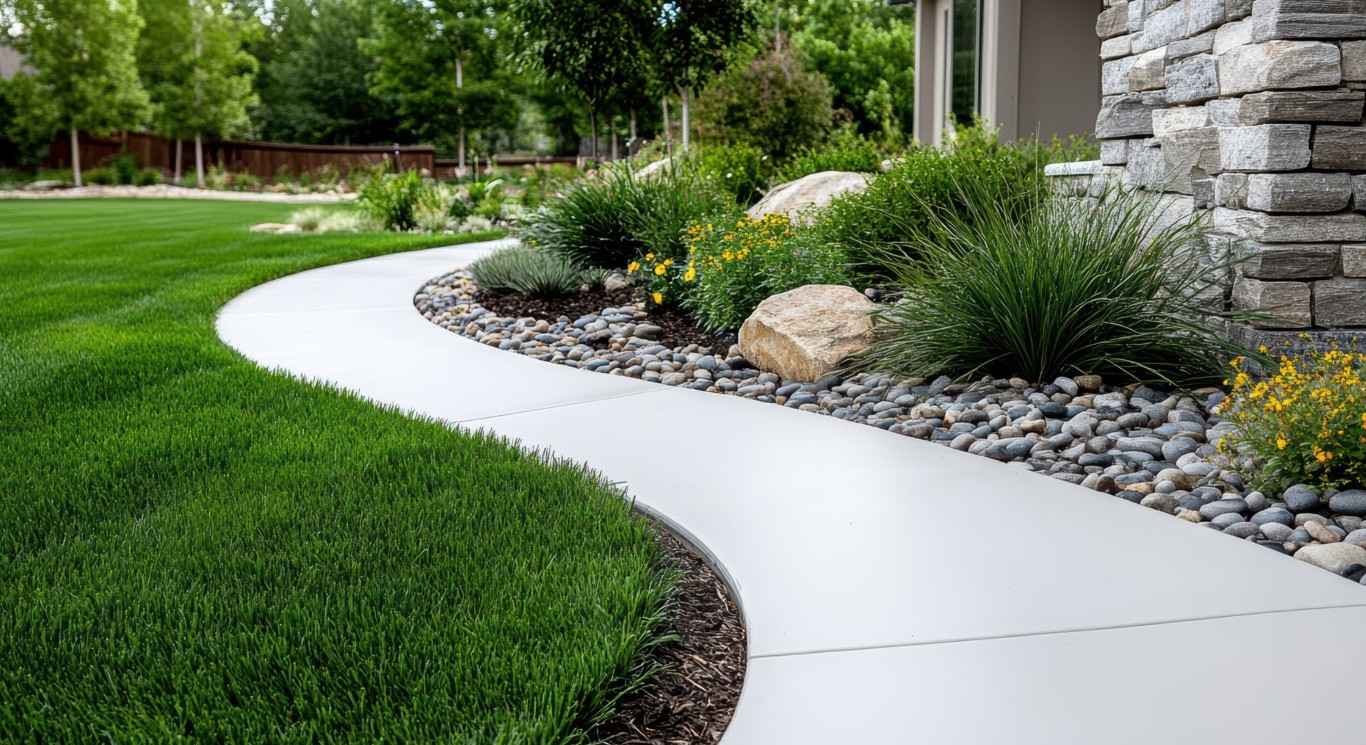
Concrete Flatwork That Makes Your Property Functional
Flatwork is the term we use for horizontal concrete surfaces like sidewalks, walkways, and paths. These are the hardworking parts of your property that connect spaces and get walked on every single day. They need to be durable enough to handle constant foot traffic and Idaho weather while looking good and staying safe.
A well-built sidewalk or walkway does more than just give you somewhere to walk. It protects your landscaping by keeping people on a defined path. It stays level and safe so nobody trips or falls. It handles rain and snow without turning into mud or ice patches. And when done right, it adds to your property's appearance instead of being just a boring gray strip.
We pour sidewalks and walkways throughout Rexburg for both residential and commercial properties. Whether you need a simple path from your driveway to your front door or a complex network of walkways connecting different areas of your property, we handle projects of any size. Our team understands local building codes, proper slope for drainage, and the techniques that make concrete last in Eastern Idaho's climate. When you work with experienced Rexburg concrete contractors, you get flatwork that looks professional and holds up year after year.
Common Flatwork Projects We Build
Flatwork covers a wide range of concrete projects. Here are the most common types we install for Rexburg homeowners and businesses:
Types of Concrete Flatwork
- Public sidewalks: The concrete walkway between the street and your property. Must meet city code requirements for width, slope, and specifications.
- Front walkways: The path from your driveway or street to your front door. Often includes decorative elements since it's a focal point of your home.
- Backyard paths: Connect your patio to other areas like sheds, gardens, or gates. Can be straight or curved to follow your landscape design.
- Commercial walkways: High-traffic paths for business properties that need to be ADA-compliant and handle heavy use.
- Equipment pads: Flat concrete slabs for AC units, generators, hot tubs, or other heavy equipment that needs stable support.
- Curbs and borders: Concrete edging that defines spaces, contains landscaping, and adds finished appearance to your property.
Each type has specific requirements for thickness, reinforcement, and finish. We customize every project to match your needs and budget. Simple residential walkways might be 4 feet wide with a basic broom finish. Commercial sidewalks need to meet ADA width requirements and include properly sloped curb cuts. Decorative walkways can incorporate colors, patterns, or borders that complement your home's style. Our stamped and decorative concrete options work beautifully on walkways where you want extra visual appeal.
Why Concrete Beats Other Walkway Materials
You have options for building walkways and paths. So why choose concrete over pavers, gravel, or other materials? The answer comes down to durability, maintenance, and long-term value.
Concrete walkways stay level and solid for decades. They don't shift or settle the way pavers do. You won't have weeds growing up through the cracks or individual pieces that come loose and need replacing. Once your concrete walkway is in, it's done. Just occasional cleaning and resealing every few years keeps it looking good.
Compare that to pavers that need constant maintenance. The sand base under pavers shifts, causing uneven surfaces. Weeds and grass grow between the pavers no matter how much you spray. Individual pavers crack and need replacement. After a few years, the whole thing can look messy and create tripping hazards.
Gravel paths are even worse for maintenance. They need constant raking and refilling. Gravel spreads into your lawn and landscaping. It's hard to walk on, especially for anyone with mobility issues. And it turns into a muddy mess when it rains or snow melts.
Concrete gives you a smooth, level surface that's easy to walk on and even easier to maintain. It handles snow removal without getting damaged. You can push a wheelchair, stroller, or walker on it without problems. And the cost is competitive with quality pavers while giving you much better long-term performance. For properties that need multiple walking surfaces, our concrete patio installations can integrate seamlessly with your walkways for a cohesive look.
Sidewalk and Walkway Questions
Here are answers to the questions we hear most about concrete flatwork:
Standard residential walkways are typically 3 to 4 feet wide. This gives enough room for one person to walk comfortably or two people to pass each other. Main front walkways to your door should be at least 4 feet wide for better curb appeal and ease of use. Public sidewalks in Rexburg usually need to be 5 feet wide to meet city codes. Commercial walkways often require 5 to 6 feet or more, especially if they need to be ADA-compliant. Side paths to gates or sheds can be narrower, around 3 feet, since they get less traffic. We recommend the right width based on your specific situation, traffic patterns, and any code requirements that apply.
It depends on the location and scope of your project. Public sidewalks between the street and your property line almost always require permits from the city. Private walkways on your property may or may not need permits depending on their size and local regulations. In Rexburg, it's best to check with the city before starting any flatwork project. Commercial properties typically need permits for all concrete work. The good news is we handle all the permit paperwork as part of our service. We know local requirements, submit the applications, and coordinate inspections so you don't have to deal with the bureaucracy. Permit costs are usually modest, and having properly permitted work protects you if you ever sell your property.
A broom finish is the most popular choice for sidewalks and walkways because it provides good traction without being rough on bare feet. The subtle texture created by dragging a broom across wet concrete helps prevent slipping when the surface is wet or icy. For decorative walkways, stamped patterns add visual interest while still maintaining good traction. Smooth trowel finishes look nice but can be slippery when wet, so we don't recommend them for outdoor walking surfaces. If you want extra slip resistance, we can add a light texture or use special troweling techniques that balance appearance with safety. The finish also affects maintenance. Textured surfaces hide dirt and minor wear better than smooth finishes. We help you choose the right finish based on your priorities for safety, appearance, and maintenance.
Ready to add safe, attractive walkways to your property? Contact us for a free estimate. We'll assess your needs, discuss design options, and provide an accurate quote for your concrete flatwork project.