Concrete Steps & Stairs
Build safe, durable steps and stairs that handle heavy use and Idaho weather while looking great at your home's entrance.
Steps and Stairs That Keep People Safe
Concrete steps need to be built right because people's safety depends on them. Damaged or poorly built stairs cause falls that lead to serious injuries. Uneven risers make people trip. Crumbling edges create hazards. Steps without proper slope collect ice in winter. When stairs fail, people get hurt, and you face liability issues.
Building code requirements for steps exist for good reasons. Riser height must be consistent throughout the stairway so people's walking rhythm stays steady. Tread depth needs to be sufficient for secure footing. Handrails are required for stairs with more than a certain number of steps. These codes protect everyone who uses your stairs.
We build concrete steps and stairs throughout Rexburg that meet or exceed all safety codes. Every step we pour has consistent dimensions, proper slope for drainage, adequate reinforcement, and appropriate texture to prevent slipping. Whether you need a simple set of front porch steps or a complex outdoor stairway, we handle the design, engineering, and construction. When you work with experienced concrete step contractors, you get stairs that will be safe and solid for decades.
What Makes Quality Concrete Steps
Building concrete steps involves more than just pouring concrete in a stair shape. Here's what goes into stairs that last:
Essential Elements of Durable Steps
- Proper foundation: Steps need stable support underneath. We dig down below frost line and build a solid base that won't settle or shift with seasonal ground movement.
- Correct dimensions: Risers typically measure 6 to 7.5 inches high. Treads need at least 10 inches of depth. These proportions create comfortable, safe climbing for most people.
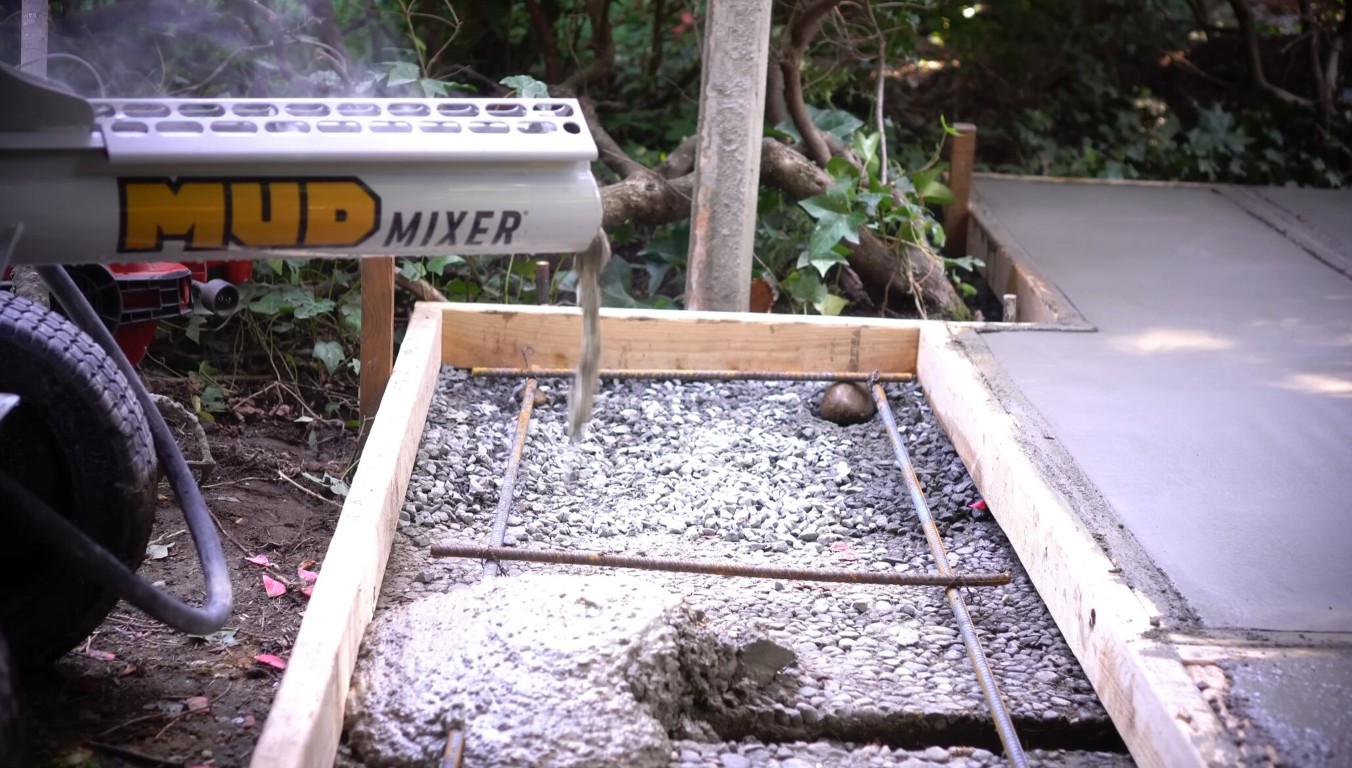
- Steel reinforcement: Rebar throughout the structure prevents cracking and adds strength. Steps cantilever out from their base and need internal reinforcement to support weight.
- Drainage slope: Treads slope slightly forward so water runs off instead of pooling. This prevents ice buildup in winter and extends the life of your steps.
- Non-slip surface: We finish treads with texture that provides traction when wet. Smooth steps become dangerously slippery in rain or snow.
- Landing areas: Stairs need level landings at top and bottom that are deep enough for safe entry and exit. Code requires specific landing dimensions.
We can build steps in various styles to match your home. Simple straight runs work for most applications. L-shaped or U-shaped stairs handle larger elevation changes. Curved steps add elegance to formal entrances. Wider steps create a grand appearance for front entries. Our concrete walkway services often integrate with step installations to create complete pathway systems.
Where We Build Concrete Steps and Stairs
Concrete steps work in many situations around Rexburg properties. Front entrance steps are the most common. These connect your front door to the walkway or driveway. They're highly visible and need to look good while staying functional. We can pour simple utilitarian steps or add decorative elements like colored concrete, stamped patterns, or textured finishes.
Porch and deck access stairs provide connections between different levels of outdoor living spaces. If you have a raised deck or patio, stairs make it accessible. These stairs often see heavy use during gatherings and need to be wide enough for traffic flow. We size them appropriately for how you use your outdoor areas.
Basement and garage access stairs lead to below-grade spaces. These are often utilitarian but still need proper construction for safety. Good drainage is especially important for basement stairs where water can collect at the bottom. We build in proper slope and sometimes add drainage systems.
Hillside and landscape stairs navigate sloped yards, creating access to different yard levels. These can be straight runs or wind through landscaping. They open up your entire property for use instead of leaving steep slopes unusable. Terraced stairs with landings work well for significant elevation changes.
Commercial building stairs serve business entrances and must meet stricter codes including ADA requirements when appropriate. We handle the additional documentation and inspections that commercial projects require. Our commercial concrete services include all types of business stairway installations.
Common Questions About Concrete Steps
Here are answers to the questions homeowners ask us most about concrete steps and stairs:
It depends on the extent of damage. Minor issues like small cracks, chipped corners, or surface spalling can often be repaired. We rebuild damaged edges, fill cracks, and resurface treads to restore appearance and safety. But if steps are severely cracked, settling significantly, or have structural problems, replacement is usually necessary. Trying to repair badly damaged stairs often costs nearly as much as replacement while giving inferior results. We inspect your steps and give you an honest assessment. Sometimes we can repair a few problem areas and get you several more years of use. Other times, starting fresh with new stairs is the smarter investment. Our concrete repair expertise applies to steps just like any other concrete work.
Most residential step projects take 1 to 2 days for construction. If we're replacing existing steps, we remove the old ones and pour new steps the same day when possible. Complex stairs with multiple landings or decorative finishes might take longer. After pouring, steps need to cure before use. Wait at least 24 hours before walking on them carefully, and 7 days before full use with heavy traffic. We work to minimize the time your entrance is inaccessible. If necessary, we can build temporary steps or arrange the work schedule so you have access to your home throughout the project. Weather affects timing, so we schedule step work when conditions are right for proper curing.
Building codes in Idaho typically require railings for stairs with more than three or four risers, depending on local jurisdiction. The exact requirement varies, so we check local codes for your specific location. Even when not required, railings improve safety, especially for elderly family members or anyone with mobility concerns. We can install the railing posts during step construction by embedding them in the concrete, which creates the strongest attachment. Or you can add railings later using post anchors. For commercial properties, railing requirements are more stringent and must meet ADA guidelines. We coordinate with licensed railing contractors when your project needs them, or we can embed the posts and you can arrange railing installation separately.
Need new concrete steps or repairs to existing stairs? Contact us for a free estimate. We'll assess your needs, discuss design options, and provide a detailed quote for building safe, attractive steps that last for decades.